Assessing Indoor Air Quality
As homeowners head indoors to escape extreme heat and humidity, it’s important that IAQ is a priority. Because modern homes have tight seals, many have worse IAQ in comparison to what is outside.
Exposure to everyday contaminants can lead to an increase in allergies, breathing problems, fatigue, headaches, and brain fog. In extreme cases where volatile organic compound concentrations are very high, you may experience a higher risk of chronic health problems.
Here are signs that indicate you have poor IAQ:
- Increased in allergies
- More frequent asthma attacks
- Dirty surfaces
- Frequent filter clogs
- Frequent illness
- Difficulty sleeping
- Dizziness
- Nausea
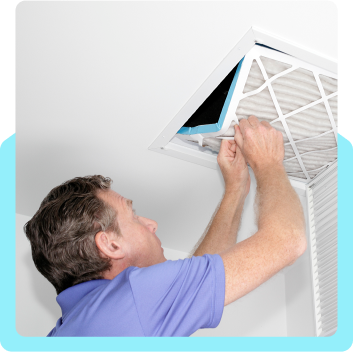
There are several ways to improve the air quality inside your home with the help of our team. Your air filter in the intake vent is your first line of defense. You should change it every one to three months, depending on environmental conditions. If your filter clogs, this can allow particulate matter to circulate through your home. This can also cause wear and tear on your HVAC components.